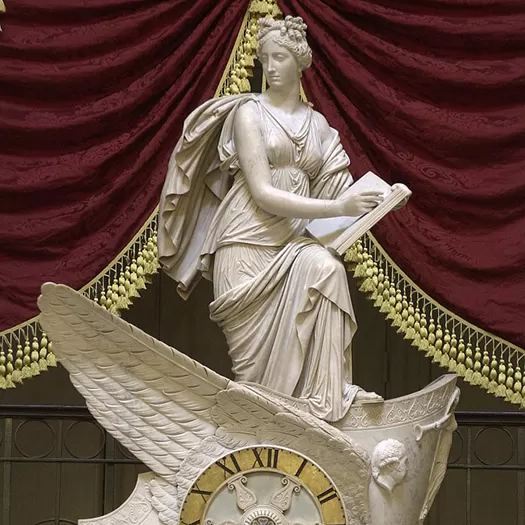
In 1819, Carlo Franzoni shipped the Car of History Clock in multiple segments crafted from Carrara marble to the Hall of Representatives. The statue of Clio, depicted observing the passage of time, is positioned in the National Statuary Hall alongside images of George Washington and Victory on her chariot.
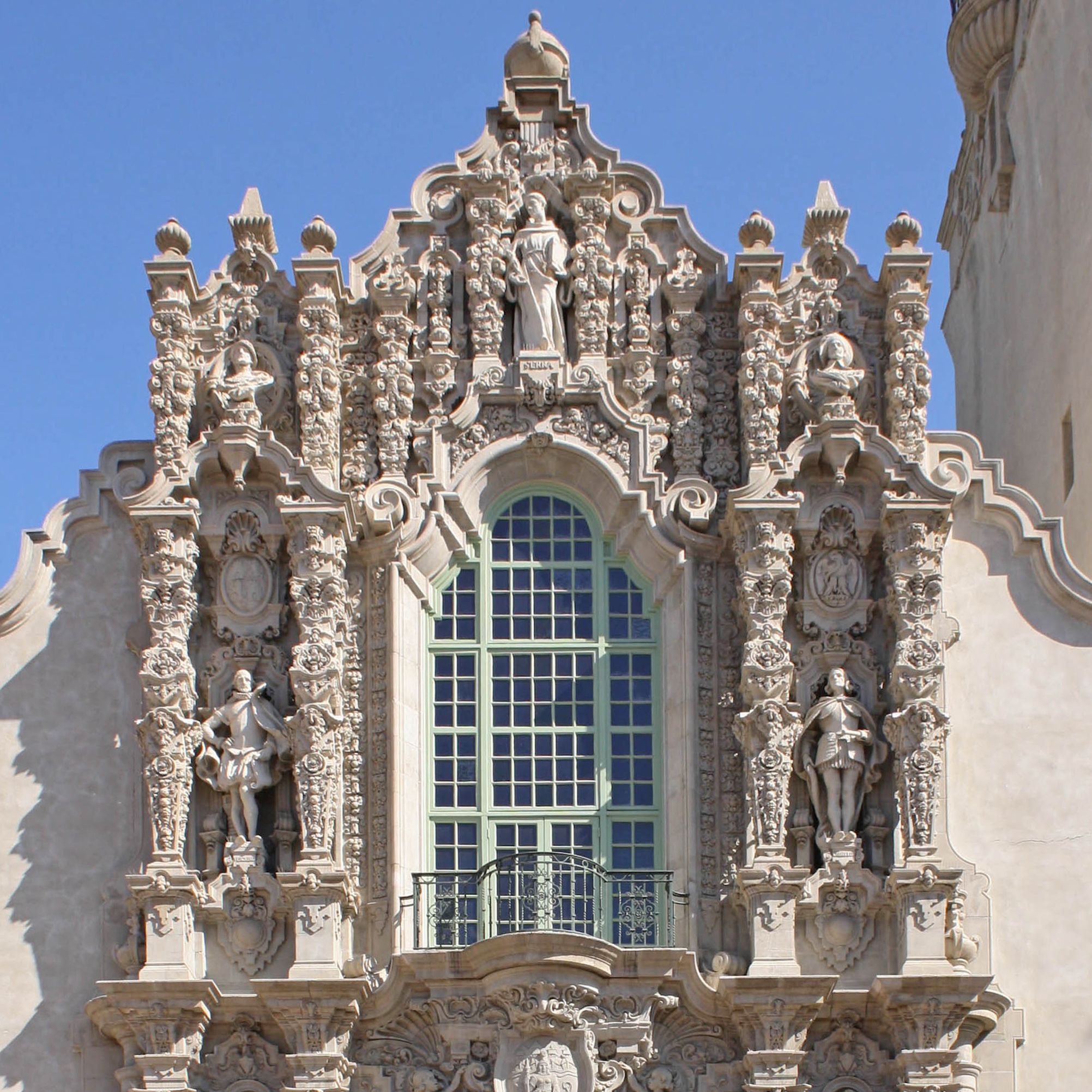
The frontispiece of the California Building, now the San Diego Museum of Us, was built in 1915 for the Panama-California Exposition. The Piccirilli brothers and Bertram Goodhue developed molds for concrete. The design, inspired by Spanish and Mexican church architecture, has been a San Diego symbol for over a century.
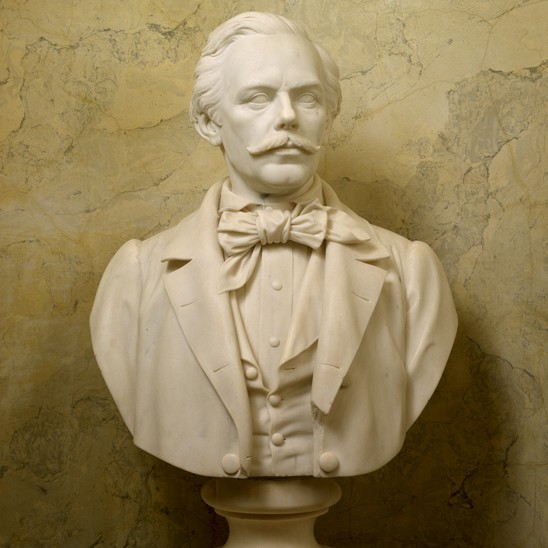
Tommaso Gagliardi was contracted to create a marble bust of his mentor, Thomas Crawford, in 1871. The bust was commissioned for the Senate wing of the United States Capitol, acknowledging Crawford's contributions as a sculptor for that Capitol.
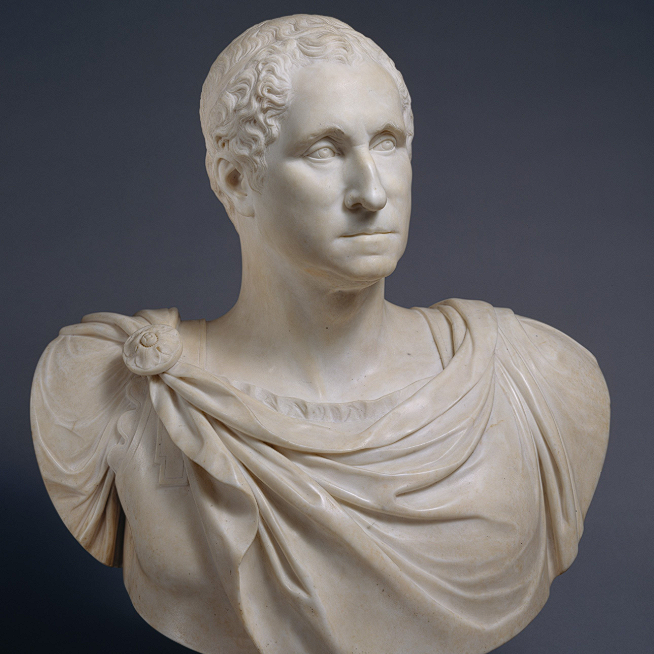
Giuseppe Céracchi's bust of George Washington was crafted over 1791-1795 as the two sat together. The bust portrays Washington as a Roman military hero and this likeness served as a reference for Antonio Canova in the creation of his monument to the President. The Metropolitan Museum of Art acquired the bust in 1914, where it remains housed.
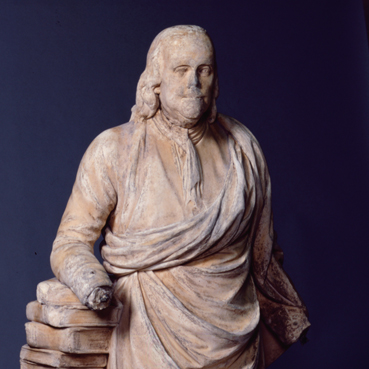
Carved from Carrara marble, Francesco Lazzarini's 1792 statue of Benjamin Franklin depicts him in a Roman toga, holding symbols opposing monarchy. The original statue was relocated due to deterioration from its original position atop the Library Company of Philadelphia to its interior in 1880 and again in 1940.