Italian Sculptors

The landscape of early America was significantly influenced by Italian sculptors. Prominent cities such as New York and Washington, D.C., symbolize the nation’s aspiration to emulate the classical architecture of Greece and Rome, sites revered by many founders as the birthplace of democracy. During its formative years, the United States lacked craftsmen possessing the specialized skills that Italian artisans had refined over centuries through rigorous academic training. Italian craftsmen were particularly renowned for their marble work, owing to their extensive experience in sculpture and the abundant availability of marble in their region. Architects seeking to incorporate authentic connections to the origins of democracy commissioned Italian artists, who were already traveling extensively across Europe to advance their artistic careers. The sculptors researched in this project vary in renown, some are household names while others are all but forgotten to primary sources. These artists worked both in the U.S. and in Italy, sometimes in commission of Italy. Only a few of the sculptors became U.S. citizens and even fewer lived out their lives in the country. However, even those who never stepped foot on the nation's soil left lasting impressions on its memorial landscape.
Piccirilli Brothers
Piccirilli Brothers
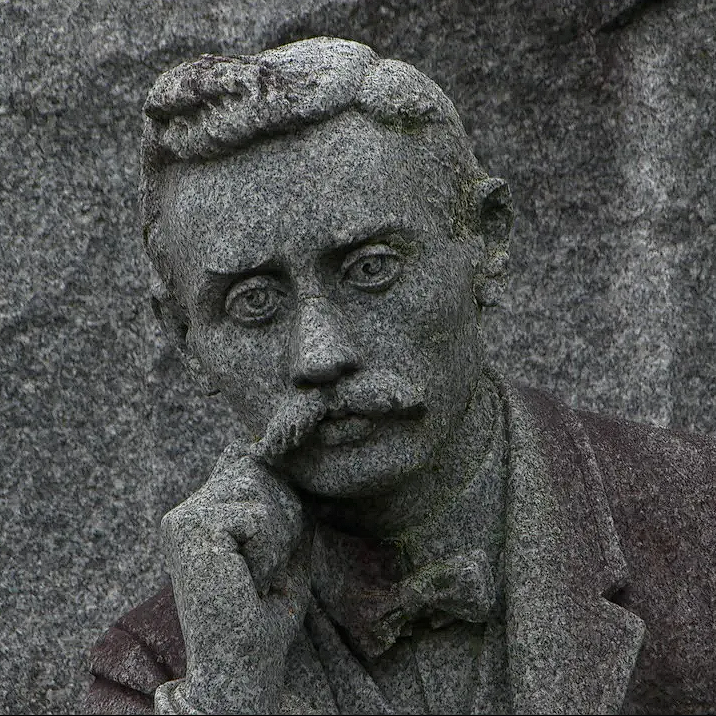
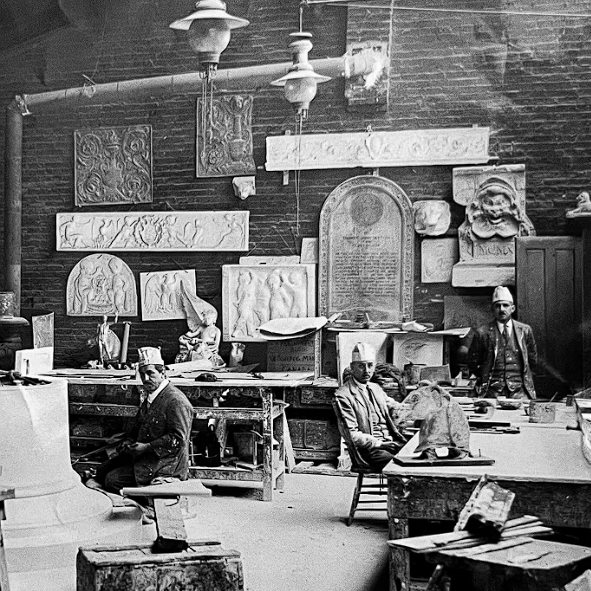
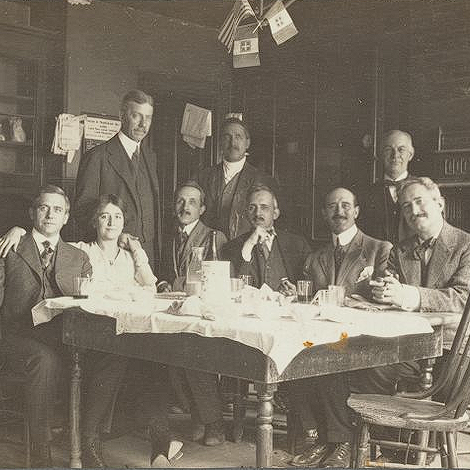
The Piccirilli Brothers are renowned for their work in New York and Washington D.C., including the Lincoln Memorial. Their projects on the New York Stock Exchange and the Public Library showcase their lasting influence. Daniel Chester French, a notable monument designer, frequently employed them. Their father Giuseppe and the six brothers, Ferruccio, Attilio, Furio, Masaniello, Orazio, and Getulio, worked together long-term, with Attilio and Furio being the most prominent.
Giuseppe Piccirilli
Giuseppe Piccirilli
Giuseppe Piccirilli, born in 1844 in Massa, Italy, immigrated to the United States in 1888. He brought with him his six sons, and together they opened a workshop in Brooklyn, New York. His push to have his sons follow him in the art of sculpture led to the family being recognized as shapers of the monuments in one of the U.S.'s biggest cities. He unfortunately passed away in 1910 before a great deal of their success was realized.
Attilio Piccirilli
Attilio Piccirilli
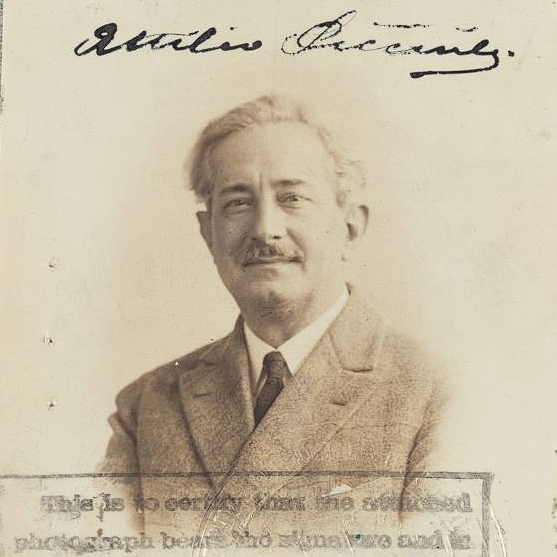
Atillio Piccirilli was born, just like all of his brothers, in Massa, Italy in 1866. Attilio is the most well-known brother, and one of two brothers we know traveled to Rome to study sculpture. Attilio is credited with more individual work than the other brothers and did more projects outside of New York and Washington D.C. before his death in 1945.
Furio Piccirilli
Furio Piccirilli
Furio Piccirilli, born in Massa, Italy in 1868, is considered the most creative of the Piccirilli brothers. Furio is one of the two brothers we know studied sculpture in Rome. Furio helped his brothers and did his own solo work in New York and Washington D.C. He retired back in Italy, where he passed away in 1949
Enrico Causici
Enrico Causici
Enrico Causici was born in Verona, Italy in 1790. He may have studied under Antonio Canova in Rome. Enrico was contracted to help in the construction of the United States Capitol in the early 19th century. Enrico claims to have made the first bronze bust in the U.S., but his claim is not provable. He moved to Havana, Cuba some time in the 1830s where he died of Cholera in 1835.
Giuseppe Céracchi
Giuseppe Céracchi
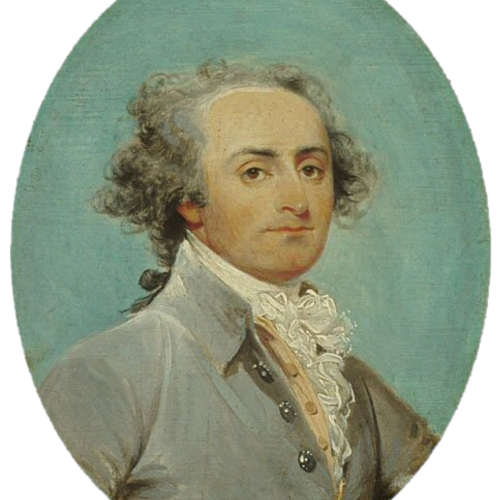
Giuseppe Céracchi was born in 1751 in Rome where he studied at the Accademia di San Luca. Céracchi was a supporter of the revolutions in the United States and France. Arriving in America in 1791, he created a series of busts of American founders while attempting to obtain funding for a grand monument of "American Liberty." He was executed via guillotine in 1801 due to his part in the plot to execute Napoleon Bonaparte.
Pasquale Civiletti
Giovanni Carlo Micali
Giovanni Carlo "Charles" Micali, born in Livorno, Italy in the 1770s, worked with the Tuscany Funerary Monument Makers Association early in his career. He built a reputation and was personally sought to create the Tripoli Monument, the first monument in Washington D.C. It's unclear if he received other contracts for the original Capitol before its 1814 destruction.
Pasquale Civiletti
Francisco Iardella
Francisco Iardella, born in Carrara, Italy in 1793, emigrated to the United States with his cousin Carlo Franzoni in 1816 to help rebuild the recently destroyed Capitol in Washington D.C. Throughout his career, he worked closely with Benjamin Henry Latrobe and Giovanni Andrei. He was later asked to oversee the sculpture work of the Capitol. He passed away suddenly in 1831 (Though some sources have it listed as 1832).
Leo Lentelli
Leo Lentelli
Leo Lentelli, born in Bologna, Italy in 1879, studied art in both Bologna and Rome. He moved to America in 1903 and would become a U.S. Citizen. He taught in New York and San Francisco while working on sculpture. He did work in D.C., Virginia, and California. He moved back to Rome with his family in 1955, where he passed away in 1961.
Pasquale Civiletti
Carlo Nicoli
Carrara, Italy native Carlo Nicoli was born in 1843. After studying art in the city he relocated to Florence to work under Giovanni Duprè. After years of success in Florence, Nicoli opened a workshop in Carrara in 1876 and would pass away there in 1915.
Carlo Franzoni
Carlo Franzoni
Born in 1789 in Carrara, Italy, Carlo Franzoni studied at the art academy in his birth city. After his brother, Giuseppe Franzoni, died in 1815, Carlo moved to the United States in 1816 to continue Giuseppe's work on the Capitol. Unfortunately, Carlo also passed away unexpectedly in 1819 from heart complications.
Pasquale Civiletti
Giovanni Andrei
Giovanni Andrei was born in Carrara, Italy, in 1757 and studied sculpture there. He spent his early career in Rome and Florence. He emigrated to the U.S. in 1806 with his brother-in-law Giuseppe Franzoni. He helped in the construction of the U.S. Capitol. He returned to Italy in 1815 to recreate the work destroyed in Washington in 1814. He would later return to the US and passed away in 1824.
Pasquale Civiletti
Giuseppe Franzoni
Giuseppe Franzoni, born in Carrara, Italy in 1776, trained in sculpture with his brother Carlo. In his youth he worked around Florence, with upkeep efforts of major sites and emigrated to the United States with his brother-in-law Giovanni Andrei in 1806. He contributed to the architectural elements of the Capitol, much of which was destroyed in 1814 during the British Burning of Washington. He died unexpectedly in 1815.
Pasquale Civiletti
Francesco Lazzarini
Francesco Lazzarini was born in Carrara, Italy in 1748. He studied in Rome at a young age and is regarded as a talented sculptor. Not much is known of Lazzarini's life and death in 1808, but the art he created was found in many incredible collections, including Peter I of Russia's.
James S. Novelli
James S. Novelli
Born in 1885 in Sulmona, Italy, James Novelli's family immigrated to the United States around 1890. He was sent back to Italy in 1903 to study art and sculpture. He returned to the U.S. after his studies and had some success as a carver in the 1920s, working mostly in Bronze. The Great Depression kept him from further success and is believed to have pushed him to take his own life in 1940.
Elia Corti
Elia Corti
Elia Corti, born in Viggiù, Italy in 1869, immigrated to the United States in 1892. He worked as a carver in Barre, Vermont, with his business partner, Sam Novelli. Corti was a dedicated socialist who advocated for workers' rights. In attendance of a political meeting, he was killed in 1903 during a fight among anarchists and socialists.
Giuseppe Moretti
Giuseppe Moretti
Giuseppe Moretti, born in Siena, Italy in 1857, studied sculpture in Florence. He moved to the United States in 1888, but kept his workshop in Florence. He moved to Alabama after working with the state's marble and proclaiming it a superior quality to most marble. He purchased a quarry in Alabama to hope to push it as a medium that could challenge Italian marble. Like many artists from Italy, he retired back to his home country where he passed away in 1935.
Pasquale Civiletti
Tommaso Gagliardi
Tommaso Gagliardi was born in 1820 and studied there in Rome under Antonio Canova. Gagliardi immigrated to the U.S. in 1855 where he found employment from Thomas Crawford. He was a friend of the Piccirilli brothers. He was public about a severe ailment that could have ruined his career that he was able to get treated in Vermont instead of having to travel back to Europe.
Gaetano Trentanove
Gaetano Trentanove
Gaetano Trentanove was born in Florence, Italy in 1858, and studied art in the city in his youth. His early success found him visiting the United States, and eventually moving there, in the late 19th century where he obtained contracts to work on several projects in his workshop in Florence. He would become an American citizen eventually, but did return to Florence after retiring and died there in 1937.
Luigi Del Bianco
Luigi Del Bianco
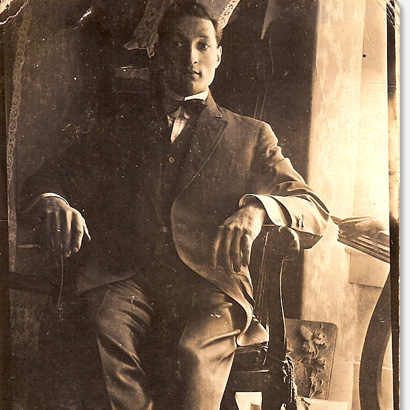
Luigi Del Bianco, born in Venice, Italy in 1892, immigrated to the United States in 1908 in New York. He became a U.S. citizen and worked with Gutzon Borglum on a number of projects before being brought on as a main carver of Mount Rushmore. He is known for his work on Lincoln's eyes and fixing a serious crack in Jefferson's lip. He retired back to his home in Port Chester, New York and passed away in 1969.
Pasquale Civiletti
Antonio Capellano
Antonio Capellano was born in 1780 in Italy. He studied in Rome under Antonio Canova and is credited as a sculptor of the court of Spain. He was invited by B. Henry Latrobe to help decorate the buildings and landscape of Washington D.C. after its destruction in 1814. He retuned to Italy and opened a workshop in Florence where he died in 1840.
E. Luigi Persico
E. Luigi Persico was born in Naples, Italy in 1791 and later studied at the local Accademia di Belle Arti. He moved to America in his youth to start his career in Baltimore in 1815. He helped to define the monument landscape of the United States Capitol later in his career. He would retire to his birth city of Naples, where he died in 1860.
Antonio Canova
Antonio Canova
Antonio Canova was born in Possagno, Italy in 1757 and apprenticed to Giuseppe Bernardi in Venice. He moved to Rome in 1780 to study and work, becoming renowned as a sculptor and one of Europe's most acclaimed. His major work, the Tempio Canoviano, was completed in 1822 after his death, with his body interred inside.
Gaetano Russo
Gaetano Russo
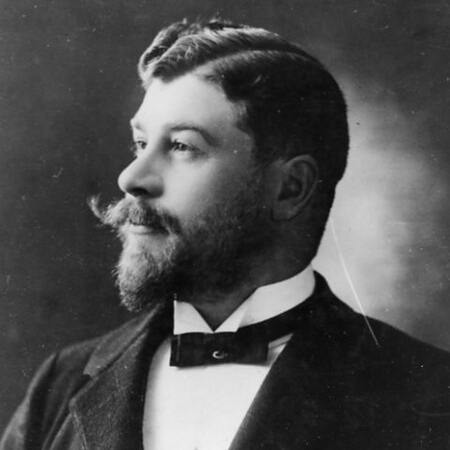
Gaetano Russo, who was born in 1847 in Messina, Italy, studied art and sculpture in Rome at the Accademia Reale dei Belli Arti under Girolamo Masini and later continued his studies under Giulio Monteverde. Most of his existing work is located in Messiana, but he did work with sculpture and architecture on a global scale. It is believed he died in a major earthquake in 1908.
Pasquale Civiletti
Pasquale Civiletti
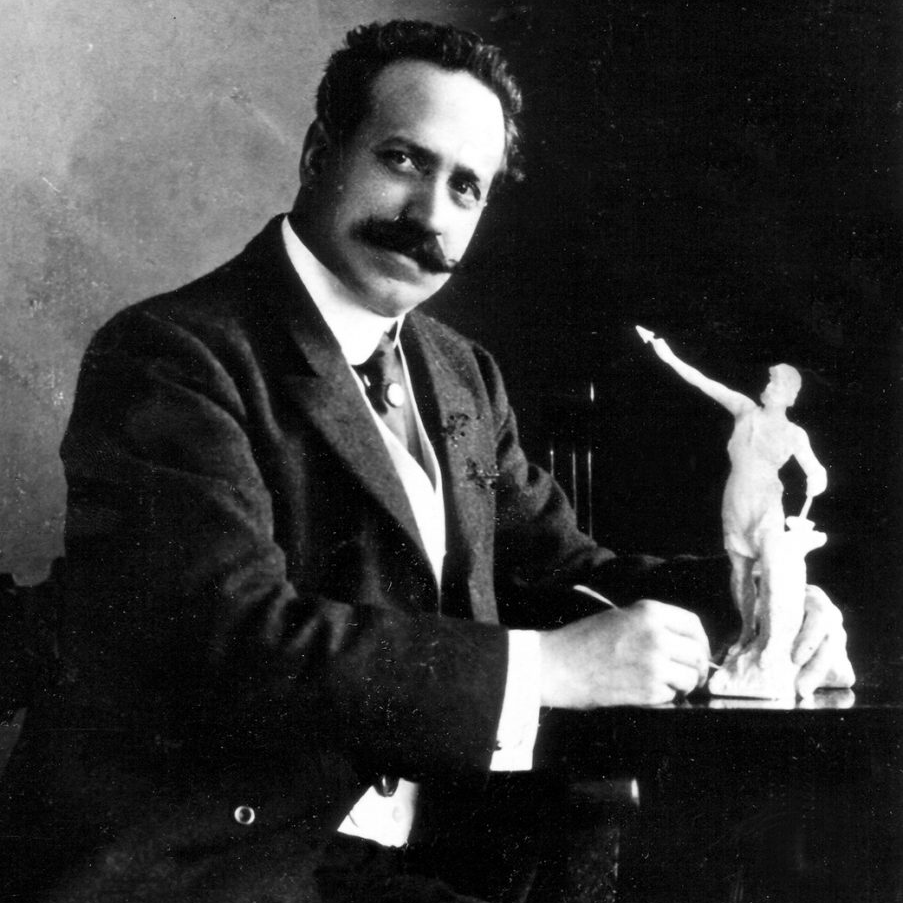
Pasquale Civiletti was born in Palermo, Italy in 1858, where he acted as his brother, Benedetto Civiletti's, apprentice in the art of sculpture. He won a competition to design and sculpt the monument of Giuseppe Verdi in New York. Civiletti never moved full-time to the United States and continued to work in Palermo till his death in 1952.
Browse all

< Previous page Next page >